Why Smart Kids Avoid Hard Things
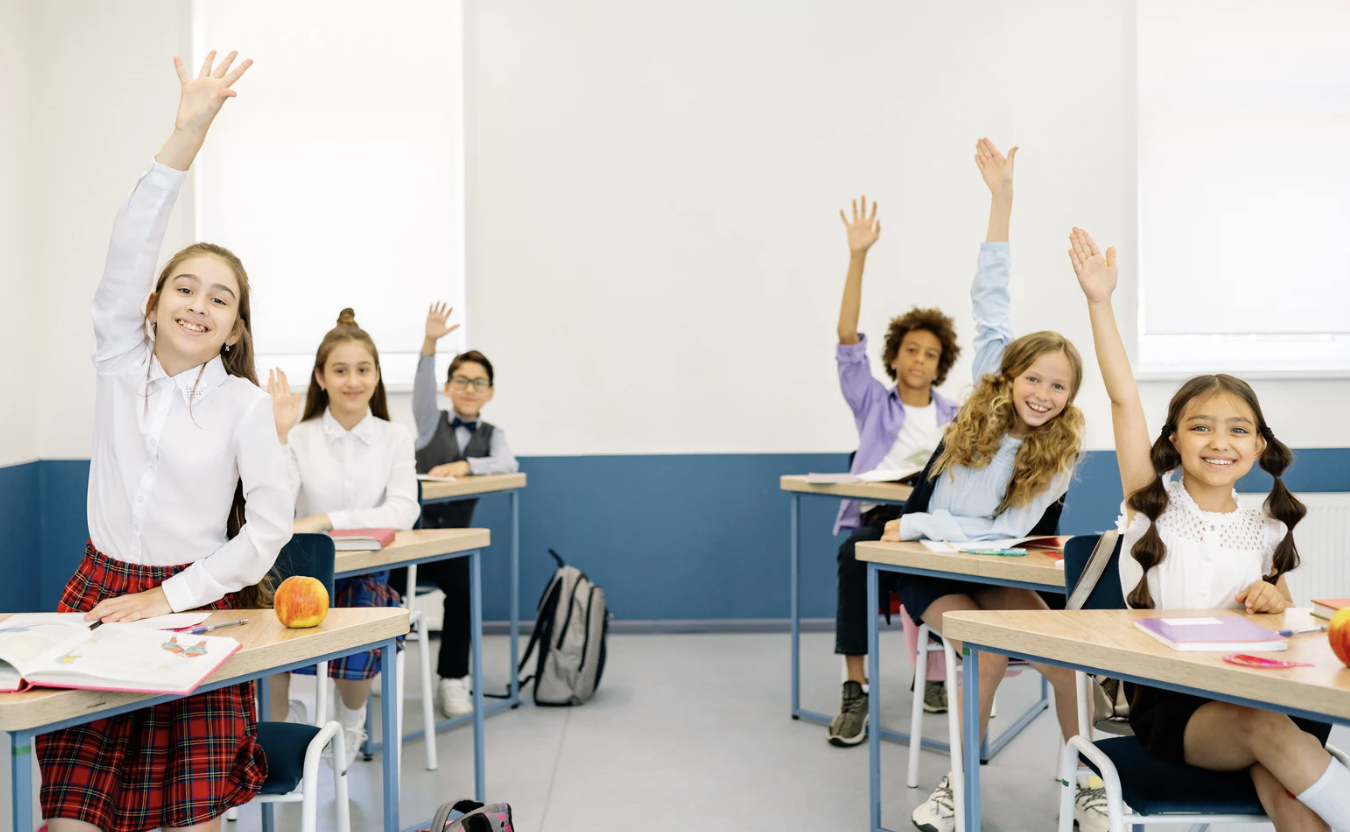
Teachers and parents often notice a puzzling pattern. The student who reads years above grade level refuses to attempt the hardest math problems. The straight-A student panics when an assignment feels unfamiliar. A child who usually excels suddenly procrastinates when faced with a difficult project.
At first glance, this behavior can look like laziness or lack of resilience. But very often the opposite is true. High-achieving students sometimes avoid challenge precisely because they care so much about succeeding.
When “Smart” Becomes an Identity
From a young age, some students hear a steady stream of praise: You’re so smart. You’re the best reader in the class. You’re naturally good at this. These comments are well-intentioned, but over time they can create something powerful—an identity to protect.
If a student believes their value comes from being “the smart one,” failure starts to feel risky. A difficult assignment isn’t just a challenge; it becomes a potential threat to the identity they’ve built. Instead of approaching the task with curiosity, students may quietly avoid situations where they might struggle.
Avoidance becomes a form of self-protection.
The Perfectionism Trap
Many high-achieving students develop a version of perfectionism that can look like motivation from the outside. They care about their grades, they work carefully, and they often produce polished assignments. But perfectionism usually comes with an unspoken rule: don’t try anything you might not do well.
That rule shows up in subtle ways. Students may choose safer project topics, avoid advanced classes in unfamiliar subjects, or delay starting assignments that feel uncertain. They may also ask repeatedly for reassurance, trying to confirm they are on the “right track.”
From the outside, these students appear confident and successful. Internally, they may be managing a quiet anxiety about making mistakes.
School Can Reinforce the Pattern
Ironically, the structure of school can unintentionally reward this cautious behavior. Students quickly learn that grades often reward correct answers more than intellectual risk. Efficiency tends to be valued more than struggle, and the fastest student frequently receives the most praise.
In that environment, the safest strategy becomes obvious: focus on the things you already know you can do well. Challenge becomes optional—and sometimes risky.
Fixed Mindset vs. Learning Mindset
Psychologists often describe this pattern through the distinction between fixed and growth mindsets. Students with a fixed mindset tend to believe ability is largely stable—you either have it or you don’t. When learning feels difficult, it can send an alarming signal: Maybe I’m not actually good at this.
Avoiding challenge then becomes a way to preserve the belief that they are capable.
Students who develop a learning mindset interpret difficulty differently. Struggle becomes information rather than a verdict. But shifting toward that perspective requires consistent signals from the adults around them.
What Actually Helps
Simply telling students not to fear failure rarely works. What matters more is changing the signals students receive about learning.
One helpful shift is in how adults offer praise. When students repeatedly hear “you’re so smart,” they may begin to see intelligence as a fragile trait they must defend. Comments that highlight effort and strategy send a different message. Saying “I like how you tried two different approaches to solve that” focuses attention on the process rather than the identity.
It also helps to normalize struggle. Many students assume strong performers understand everything immediately. When teachers or parents openly acknowledge that confusion is part of learning—“This is the part most people find tricky,” or “It usually takes a few tries before this clicks”—challenge becomes less threatening.
Revision is another powerful tool. If the first attempt determines the entire grade, students quickly learn to play it safe. When revision is expected, students see learning as something that develops over time rather than something that must appear fully formed.
Finally, adults can model curiosity themselves. When a teacher says, “I’m not sure why that happens—let’s figure it out,” they demonstrate that knowledge is something people explore rather than perform.
The Real Goal
The goal of education is not to protect the identity of the “smart kid.” The goal is to help students become people who are willing to engage with difficulty.
That means trying problems they might not solve immediately, asking questions that reveal confusion, and taking intellectual risks even when the outcome is uncertain. In the long run, the students who continue growing are rarely the ones who avoided hard things.
They are the ones who eventually learned not to be afraid of them.