
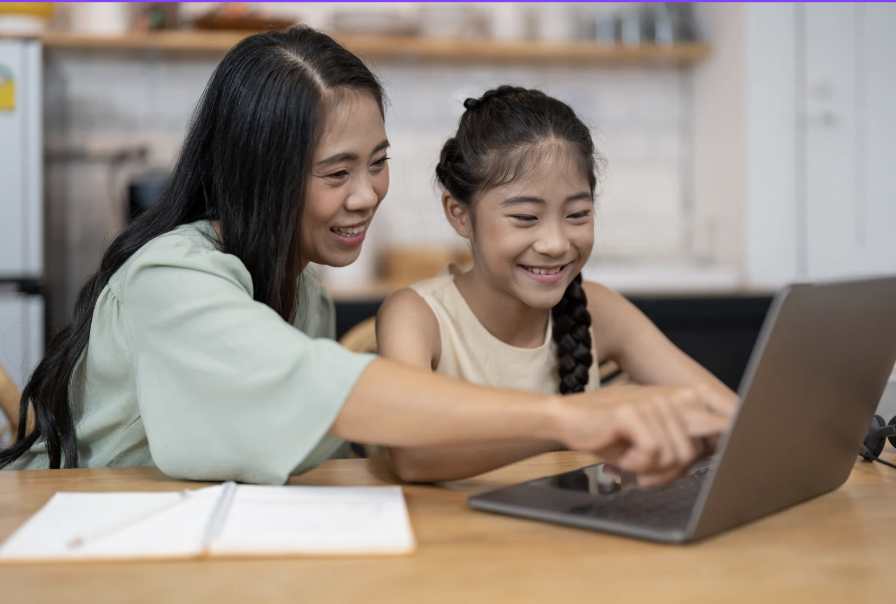
One of the most powerful influences on a child’s success in school is the relationship between parents and students at home. But finding the right balance can be tricky. Parents want to help—but too much involvement can lead to stress, dependency, or conflict. The goal isn’t to manage every assignment; it’s to build a partnership that empowers students to take ownership of their learning while knowing their family is there to support them.
Create an Environment That Makes Learning Possible
Start with the basics: a well-lit study space, a predictable routine, and access to necessary materials. These simple conditions remove barriers and create a natural structure for schoolwork. Parents don’t need to hover—just maintaining a calm, prepared environment communicates that learning is a priority in the household.
Ask Questions, Don’t Provide Answers
When students get stuck, it’s tempting to step in with solutions. But learning sticks best when kids wrestle with ideas themselves. Instead of offering answers, ask guiding questions: “What have you tried so far?” “Where in your notes might this be explained?” “What do you think the first step could be?”
This approach builds problem-solving skills and resilience—traits that matter far beyond the classroom.
Focus on Process, Not Perfection
Children thrive when they feel safe to make mistakes. Rather than emphasizing perfect grades, celebrate effort, growth, and improvement. Comments like “I noticed how long you stayed focused today” or “You didn’t give up even when it was frustrating” reinforce healthy learning habits. Process-focused praise encourages intrinsic motivation instead of fear of failure.
Stay Connected With Teachers—As a Supporter, Not a Substitute
Strong communication with teachers can help parents understand expectations, upcoming assessments, and areas where their child might need help. But the purpose of this communication is partnership, not micromanagement. Let teachers guide the academic plan while you reinforce it at home.
Encourage Independence and Ownership
As students get older, gradually shift responsibility to them: managing their own planner, setting study goals, or emailing their teacher with questions. Parents stay in the role of coach rather than manager. The message becomes: “I’m here if you need me, but I trust you to lead your learning.”
The Bottom Line
A healthy parent–student partnership is built on support, trust, and shared responsibility. When parents guide rather than control, students build confidence, independence, and the lifelong skills they need to thrive academically—and beyond the classroom.