
Productive Homework Routines by Age
Homework is one of the most consistent sources of tension in education.
Parents worry it’s too much—or not enough. Teachers wonder whether it’s reinforcing learning or creating stress. Students often feel caught in the middle, unsure how long it should take or what “done well” even means.
The problem isn’t usually homework itself. It’s the absence of a clear, age-appropriate routine. A productive homework routine doesn’t look the same at every stage of development. What works for a third grader will frustrate a seventh grader. What supports a high school student may overwhelm a younger child.
The key is alignment: matching expectations to developmental readiness.
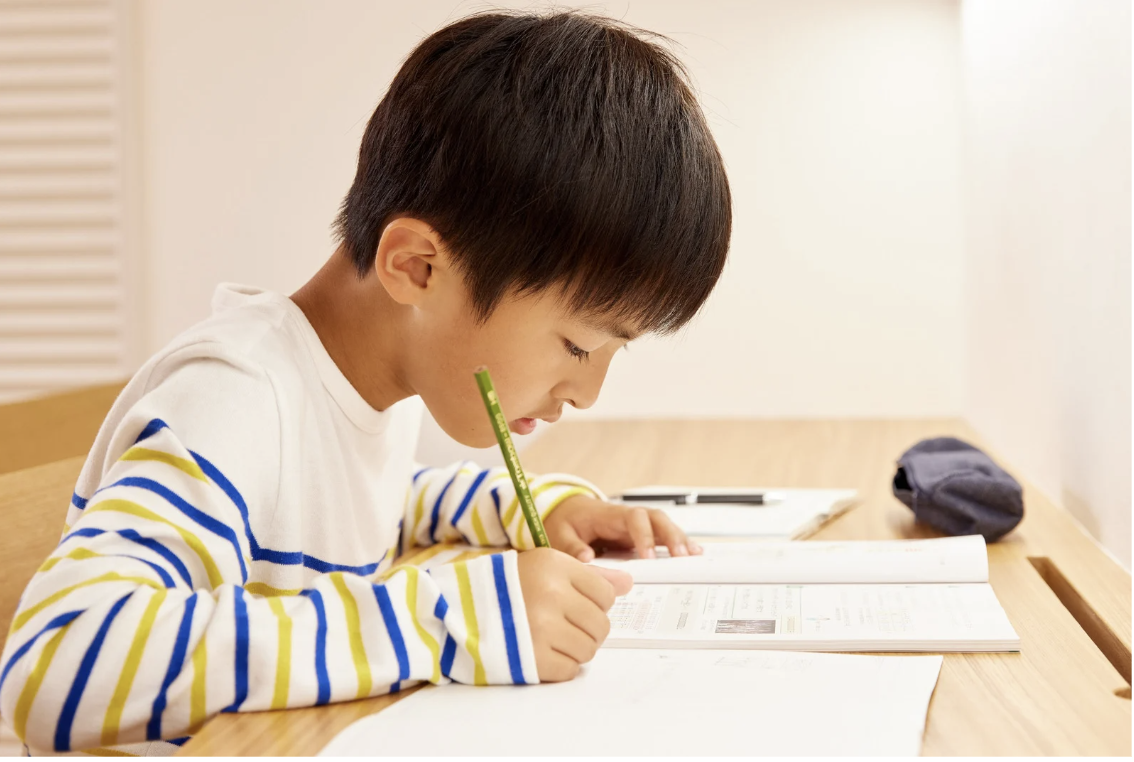
Early Elementary (K–2): Building Habits, Not Independence
At this age, homework should be short, predictable, and heavily supported. We’re aiming to begin to build skills that will come into action later in a child’s learning journey.
Young children are still learning how to:
Sit and focus for sustained periods
Follow multi-step directions
Manage materials independently
So a productive routine might look like:
A consistent time each day (before dinner or after a snack)
A quiet, supervised workspace
A parent nearby for guidance and encouragement
Work sessions of 10–20 minutes
The goal here isn’t autonomy. It’s building positive associations with responsibility. When homework ends with encouragement rather than exhaustion, children internalize that effort is manageable.
Upper Elementary (Grades 3–5): Shared Responsibility
By this stage, students can begin taking partial ownership of their routine—but still need structure.
A productive routine includes:
A consistent start time
A visible checklist or planner
Short breaks between tasks
Gradual reduction of direct supervision
Parents shift from sitting beside their child to checking in periodically. Teachers can support this transition by explicitly teaching how to use planners, break down assignments, and estimate time.
The focus is scaffolding. Students are practicing independence, not mastering it.
Middle School: Systems Over Supervision
Middle school is often where homework conflict peaks. Academic demands increase just as executive function skills are still developing.
A productive routine now depends less on parental presence and more on systems:
A designated workspace free from digital distraction
A written plan for what to complete first
Time blocks (e.g., 25–30 minutes) with short breaks
A clear “done for the night” endpoint
Parents shift into a coaching role: asking questions rather than directing tasks. Teachers can reinforce this by being transparent about timelines and expectations.
At this age, routine protects students from overwhelm.
High School: Ownership and Adjustment
High school students need flexibility, not micromanagement. Their schedules vary; assignments differ in intensity.
A productive routine may look like:
Reviewing assignments daily and prioritizing
Planning larger projects across multiple days
Studying in advance of tests rather than cramming
Adjusting workload around extracurricular commitments
At this stage, adults should ideally step back, but not away. Check-ins become conversations about workload management, stress, and strategy—not whether homework was completed.
The goal is self-regulation. Students are preparing for environments where no one monitors them daily.
What Productive Routines Have in Common
Across all ages, effective homework routines share core elements:
Consistency – A predictable time and place reduce resistance.
Clarity – Students know what “finished” looks like.
Boundaries – Clear start and end points prevent endless evenings.
Support matched to age – Neither over-helping nor abandoning.
Homework becomes productive when it reinforces learning without dominating family life.